Types of Accommodation Available for Students Today
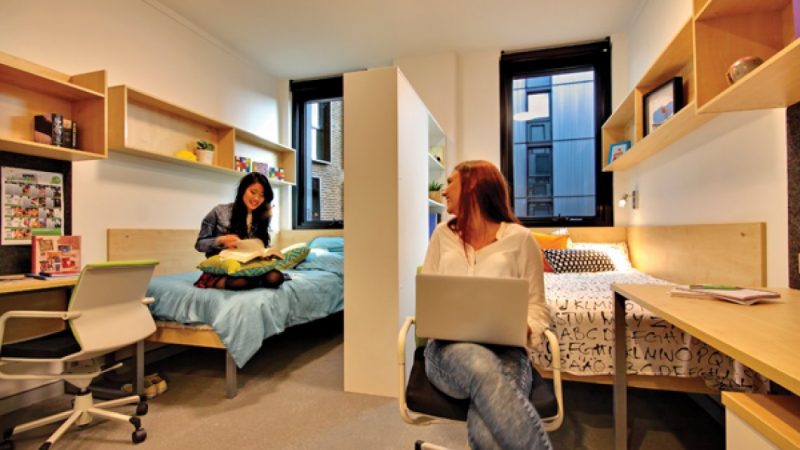
Choosing the right accommodation plays a decisive role in shaping a student’s academic success, lifestyle, comfort, and personal growth. With the expansion of higher education and global mobility, students today can select from a wide range of housing options that suit different budgets, preferences, and levels of independence.
This article explores the most common types of student accommodation available today, highlighting their features, advantages, and suitability.
University Residence Halls
University residence halls, often called dormitories, are accommodation facilities managed by educational institutions. They are typically located on or near campus, making them one of the most convenient options for students.
Key features
- Located within campus or nearby
- Furnished rooms with essential facilities
- Meal plans often included
- Shared bathrooms and study areas
- Security and supervision provided
Advantages
- Easy access to classrooms and libraries
- Opportunities to build friendships quickly
- Structured environment for new students
- Safe and supervised living conditions
Best suited for
- First-year students
- International students adjusting to a new environment
- Students who prefer a community-focused lifestyle
Private Student Hostels
Private hostels are independently operated accommodation facilities designed specifically for students. They offer flexible room types and modern amenities.
Key features
- Shared or single occupancy rooms
- Furnished interiors
- Meal services in many cases
- Laundry and housekeeping support
- Internet connectivity
Advantages
- Affordable compared to apartments
- Social environment encourages interaction
- Convenient services included
- Located near educational institutions
Best suited for
- Students seeking structured yet independent living
- Budget-conscious learners
- Students relocating from other cities
Shared Apartments
Shared apartments involve two or more students renting a flat together and dividing expenses such as rent, electricity, groceries, and internet.
Key features
- Shared rent and utility costs
- Independent living environment
- Shared kitchen and living space
- Flexible location options
Advantages
- More privacy than hostels
- Cost-effective through expense sharing
- Freedom to manage lifestyle independently
- Opportunity to develop responsibility and life skills
Best suited for
- Senior students
- Students comfortable managing daily responsibilities
- Groups of friends studying in the same institution
Studio Apartments or Single Occupancy Flats
Studio apartments provide complete privacy and independence. These are self-contained living units that include a bedroom, kitchen space, and bathroom.
Key features
- Fully private accommodation
- Personal kitchen facilities
- Independent study environment
- Flexible routines
Advantages
- Maximum privacy
- Quiet atmosphere for focused study
- Complete control over daily schedule
- Comfortable long-term living option
Best suited for
- Postgraduate students
- Working students
- Individuals who prefer independent lifestyles
Homestay Accommodation
Homestay arrangements allow students to live with a local host family. This option provides cultural immersion along with a supportive home environment.
Key features
- Family-style living environment
- Meals often included
- Cultural exchange opportunities
- Supervised and supportive atmosphere
Advantages
- Emotional comfort similar to home
- Improved language learning opportunities
- Exposure to local customs and traditions
- Reduced responsibility for daily chores
Best suited for
- International students
- Younger students studying away from home
- Students seeking cultural integration
Purpose-Built Student Accommodation
Purpose-built student accommodation refers to modern housing complexes developed exclusively for students. These spaces combine privacy, safety, and lifestyle amenities.
Key features
- Fully furnished rooms
- High-speed internet access
- Study lounges and recreational spaces
- Fitness centers and security systems
- Utility bills often included in rent
Advantages
- Modern facilities designed for academic lifestyles
- Safe and professionally managed environment
- Flexible room configurations
- Strong student community atmosphere
Best suited for
- Students seeking balanced independence and community
- International learners
- Students prioritizing comfort and safety
Co-Living Student Spaces
Co-living spaces are an emerging accommodation trend combining private bedrooms with shared social and workspaces.
Key features
- Private sleeping areas
- Shared kitchens and lounges
- Community events and networking activities
- Flexible lease options
Advantages
- Encourages collaboration and social engagement
- Cost-effective compared to private apartments
- Access to lifestyle amenities
- Ideal for networking with peers
Best suited for
- Urban students
- Young professionals pursuing higher education
- Students seeking social interaction alongside independence
Paying Guest Accommodation
Paying guest accommodation involves renting a room in a homeowner’s residence while sharing facilities such as kitchen and bathroom.
Key features
- Furnished rooms
- Meals often provided
- Lower rental costs
- Flexible agreements
Advantages
- Economical living option
- Comfortable home-like environment
- Convenient for short-term stays
- Located in residential neighborhoods
Best suited for
- Students relocating temporarily
- Budget-conscious learners
- Students preferring quieter surroundings
Factors to Consider When Choosing Student Accommodation
Selecting the right accommodation depends on several practical considerations
- Budget availability
- Distance from campus
- Safety and security features
- Access to transportation
- Availability of meals
- Privacy preferences
- Lifestyle compatibility
Careful evaluation of these factors ensures a comfortable and productive student experience.
Frequently Asked Questions
1. Which type of student accommodation is the most affordable
Shared apartments, private hostels, and paying guest accommodations are usually the most budget-friendly options depending on the location.
2. Is university residence hall accommodation compulsory for first-year students
Some universities require first-year students to stay on campus, but this varies depending on institutional policies.
3. Can students change accommodation during their academic year
Yes, students can shift accommodation, although lease agreements and availability may influence the timing.
4. Are utilities included in student housing rent
Many purpose-built student accommodations include utilities, while shared apartments typically require separate payments.
5. How early should students arrange accommodation before the academic session starts
It is advisable to finalize accommodation at least two to three months before the session begins to secure preferred options.
6. Is off-campus accommodation safe for students
Off-campus accommodation can be safe if students choose verified neighborhoods and ensure proper security arrangements.
7. What documents are usually required to rent student accommodation
Common requirements include identification proof, admission confirmation, rental agreement forms, and sometimes a guarantor depending on the provider.