A Rebound Conditioning Reset After Long-Haul Travel
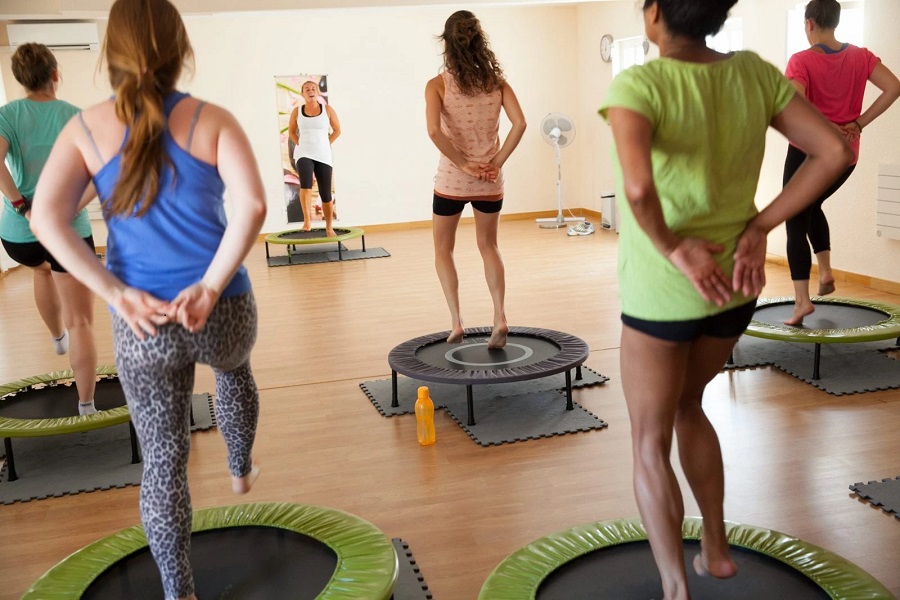
Using trampoline fitness singapore as the first structured workout after long-haul travel can help restore movement rhythm, but the return should be managed carefully. Flights can disrupt sleep, hydration, meal timing and normal activity even when the traveller does not cross many time zones.
A rebound class adds coordination and repeated lower-body work to a system that may still feel stiff or slow. The objective of the first session is to assess readiness and re-establish routine, not to compensate for every missed workout.
Recognise the Hidden Travel Load
Travel fatigue is not limited to hours spent on the aircraft. Packing, airport transfers, security queues, meetings and irregular sleep all add stress.
A traveller may feel motivated to exercise while still having slower reactions or reduced concentration. These changes matter during movement on a responsive surface.
Long periods of sitting can also leave the hips, calves and back feeling restricted. The sensation may improve during a warm-up, but it should not be ignored.
The first workout should reflect the full journey rather than the number of days away.
Restore Sleep Before Chasing Intensity
One night in a familiar bed may not completely restore a disrupted sleep pattern. The traveller should consider sleep quality as well as duration.
High-intensity exercise can feel unusually difficult when concentration and recovery are reduced. The participant may also misjudge cadence or movement range.
Members returning to sessions at TFX Singapore can choose controlled variations while observing how the body responds. There is no need to match pre-trip performance immediately.
A moderate first class often supports a faster return to normal training than an exhausting one.
Begin With Low Rebounds
Low rebounds provide information about foot pressure, balance and rhythm without creating unnecessary complexity. Participants can observe whether one side feels stiffer or less coordinated.
The warm-up should progress gradually through simple patterns. Large directional changes and rapid combinations can wait until control becomes clear.
If stiffness reduces and breathing remains steady, the participant may increase cadence for selected intervals. Rebound height does not need to increase at the same time.
Small progressions keep the session responsive to current readiness.
Use Movement to Reverse Prolonged Sitting
Travel often places the hips and spine in similar positions for hours. A rebound session introduces repeated ankle, knee and hip movement.
The participant should avoid forcing range immediately. Controlled movement is more useful than aggressive stretching before the body is warm.
Simple lateral steps, low rebounds and deliberate arm action can gradually expand the movement pattern. The aim is to restore comfort, not demonstrate flexibility.
Any sharp, unusual or worsening discomfort should lead to stopping and seeking appropriate advice.
Rehydrate Gradually
Aircraft cabins, irregular fluid access and alcohol or caffeine can contribute to poor hydration. Drinking a very large volume immediately before class may cause discomfort during bouncing.
Travellers can restore fluids progressively after arrival and throughout the day. Water should remain available during the session.
Singapore’s warm conditions and travel between the airport, office and home may add to fluid needs. The participant should account for these activities rather than considering the class alone.
Hydration supports the return, but it does not replace sleep or recovery.
Normalise Meal Timing
Long-haul travel can shift appetite and meal timing. Travellers may arrive having eaten several small meals or one unusually large meal.
The first class should be scheduled with digestive comfort in mind. Repeated bouncing soon after a heavy meal may feel unpleasant.
A familiar snack can support energy when there has been a long gap. Participants should avoid experimenting with aggressive pre-workout products during a fatigued return.
After class, a normal balanced meal can help re-establish routine without using restriction to compensate for travel eating.
Limit the Peak Intervals
The participant does not need to avoid all challenging work. Short, controlled increases in cadence may provide a useful assessment.
Peak intervals should remain limited, with enough recovery to restore breathing and landing control. If each round feels progressively less coordinated, intensity should be reduced.
The participant can finish feeling that more was possible. This leaves capacity for sleep, work and the next training session.
The first class back is a bridge, not a fitness test.
Consider Swelling and General Discomfort
Some travellers experience temporary lower-leg swelling or heaviness after long periods of sitting. Exercise decisions should be made conservatively, especially when symptoms are unusual, significant or one-sided.
A group fitness class is not the place to diagnose travel-related symptoms. Concerning signs require appropriate medical attention.
Even without a medical issue, heavy legs may affect landing and balance. The participant can delay the class or select a gentler activity if movement does not feel normal.
Returning one day later is better than forcing a session under uncertainty.
Plan the Following 48 Hours
The return workout should be considered alongside the next two days. Scheduling heavy strength training, a hard rebound class and a long run immediately after travel may create an avoidable workload spike.
A moderate class can be followed by sleep and a lighter day. Normal intensity can return once energy, coordination and appetite stabilise.
Frequent travellers may benefit from a repeatable re-entry template. This removes the pressure to decide from emotion after every trip.
The template should still allow adjustment because not all journeys create the same fatigue.
Maintain a Minimum Routine While Away
A simple travel routine can reduce the contrast between trip days and normal training. Walking, mobility and brief strength movements may be enough.
The minimum should require little equipment and fit within unpredictable schedules. It is intended to preserve the habit rather than deliver peak performance.
Travellers who complete a modest routine often feel less pressure to compensate on returning. This supports a calmer first class.
Consistency across imperfect weeks is more valuable than alternating inactivity with extreme sessions.
Return Through Quality
Long-haul travel can temporarily change energy, coordination and movement comfort. These changes should guide the first rebound workout.
Low rebounds, measured cadence and limited peak intervals provide a useful re-entry. Hydration, food and sleep should be restored around the session rather than treated as separate concerns.
The most productive reset is one that allows normal training to resume. By returning through controlled movement instead of compensation, travellers can rebuild fitness rhythm without extending the disruption.