
Essential Camping Gear Every Beginner Should Pack
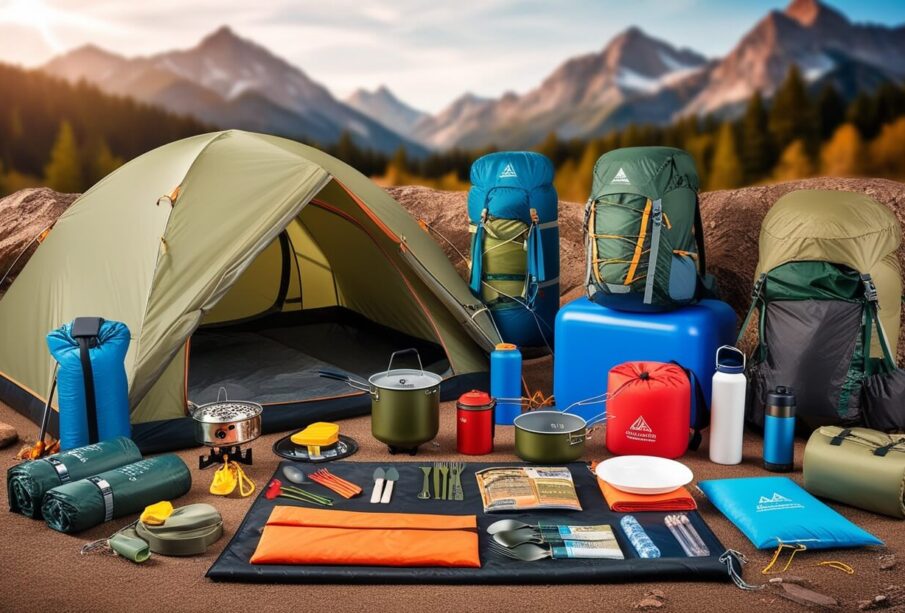
Camping for the first time can be both exciting and challenging. The experience becomes far more enjoyable when you carry the right equipment. Proper gear ensures safety, comfort, and convenience while allowing beginners to focus on enjoying nature instead of dealing with avoidable problems.
This guide explains the essential camping gear every beginner should pack before heading outdoors.
Why Choosing the Right Camping Gear Matters
Selecting appropriate camping gear improves your overall outdoor experience in several important ways:
- Helps maintain safety in unfamiliar environments
- Provides protection from weather conditions
- Supports proper sleep and rest
- Makes cooking and hydration easier
- Reduces stress during unexpected situations
Even a short overnight trip becomes smoother when basic equipment is planned carefully.
Shelter Essentials For Comfortable Camping
A reliable shelter protects you from wind, rain, insects, and temperature changes. Beginners should always prioritize this category.
Tent
Choose a tent that matches the number of campers and expected weather conditions. Look for features such as waterproof fabric, strong poles, and ventilation panels.
Groundsheet Or Footprint
Placed beneath the tent, it prevents moisture from entering and protects the tent floor from damage.
Sleeping Bag
Select a sleeping bag suitable for the season. Lightweight versions work well in warm climates, while insulated bags are necessary for cooler nights.
Sleeping Pad Or Air Mattress
Sleeping pads add insulation and improve comfort by preventing body heat loss through the ground.
Cooking And Food Preparation Equipment
Preparing meals outdoors requires simple but reliable tools. Beginners should keep their cooking setup practical and portable.
Portable Camping Stove
A compact stove allows safe and efficient cooking in most camping locations.
Cooking Utensils
Carry basic utensils such as:
- Lightweight pots
- Plates or bowls
- Spoon and knife
- Mug for hot drinks
Food Storage Containers
Proper containers keep food fresh and protect it from insects and wildlife.
Water Bottles Or Hydration System
Always carry enough drinking water or a safe method to purify natural water sources.
Clothing Suitable For Outdoor Conditions
Weather conditions can change quickly in natural environments. Packing appropriate clothing helps maintain comfort throughout the trip.
Important clothing items include:
- Moisture absorbing base layers
- Warm jacket for colder evenings
- Extra socks
- Comfortable hiking shoes
- Rain protection such as a waterproof jacket
Layered clothing allows beginners to adjust easily to temperature changes.
Navigation And Safety Tools
Safety tools are essential even for short camping trips. They help you remain prepared for unexpected situations.
Recommended safety equipment includes:
- Map of the camping area
- Compass or navigation device
- Flashlight or headlamp
- Extra batteries
- First aid kit
Carrying these items increases confidence and preparedness in unfamiliar terrain.
Personal Hygiene And Health Supplies
Maintaining hygiene while camping helps prevent discomfort and illness.
Useful hygiene supplies include:
- Biodegradable soap
- Toothbrush and toothpaste
- Hand sanitizer
- Tissue paper
- Small towel
Keeping these items in a waterproof pouch ensures they remain usable throughout the trip.
Multi Purpose Tools And Accessories
Small accessories often become the most useful items during camping.
Beginners should consider carrying:
- Multi tool knife
- Rope or paracord
- Duct tape for quick repairs
- Backpack rain cover
- Trash bags for waste management
These items take little space but provide significant support during emergencies.
Lighting Equipment For Nighttime Visibility
Natural campsites usually become very dark after sunset. Reliable lighting ensures safety and convenience.
Essential lighting options include:
- Headlamp for hands free movement
- Lantern for campsite illumination
- Backup flashlight for emergencies
Always carry spare batteries when traveling overnight.
Backpack Selection And Packing Strategy
Choosing the right backpack helps distribute weight properly and prevents fatigue.
When selecting a backpack:
- Choose one with padded shoulder straps
- Ensure enough storage compartments
- Select lightweight but durable material
- Keep frequently used items easily accessible
Packing efficiently allows beginners to move comfortably without unnecessary strain.
FAQ Section
What size backpack is ideal for beginner camping trips
A backpack between forty and sixty liters is generally suitable for short overnight trips because it provides enough space without becoming too heavy.
How can beginners reduce the weight of their camping gear
Choose lightweight equipment, pack only essential items, and avoid carrying duplicate tools unless necessary.
Is renting camping gear a good option for beginners
Renting equipment can be a practical choice for first time campers who want to test their interest before investing in personal gear.
What type of tent is easiest for beginners to set up
Freestanding dome tents are usually the simplest to assemble and work well in most camping environments.
Should beginners carry backup food during camping trips
Yes carrying extra ready to eat food ensures you remain prepared if cooking becomes difficult due to weather or unexpected delays.
How early should camping gear be prepared before a trip
Preparing equipment at least one day before departure allows time to check missing items and avoid last minute stress.
Can beginners camp safely without electronic navigation devices
Yes beginners can camp safely using printed maps and basic navigation skills as long as they study the area beforehand and inform someone about their travel plans.


