Trips: Meaning, Types, Benefits, and Smart Planning Tips
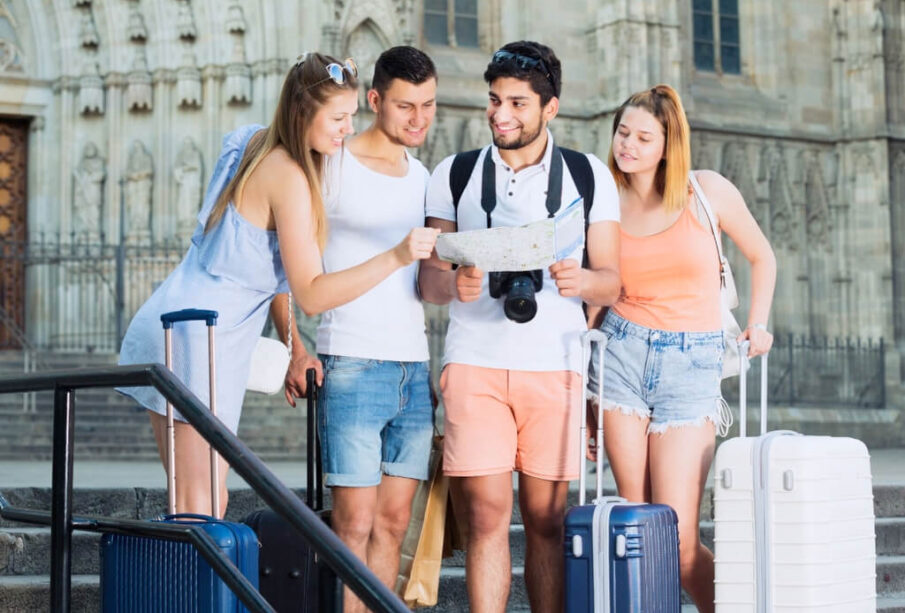
Trips are an important part of modern life because they provide opportunities to relax, explore new places, and spend quality time with others. Whether short or long, trips help people step away from daily routines and experience new environments that refresh the mind and body.
Planning trips carefully can turn simple travel experiences into memorable and meaningful moments that support both personal enjoyment and growth.
What Are Trips
Trips refer to journeys taken for a short period of time, usually for leisure, education, work, or family purposes. Unlike long vacations, trips are often brief and focused on specific activities or destinations.
Trips may include visits to nearby cities, natural attractions, cultural sites, or social events. They are flexible and suitable for individuals, families, students, and professionals.
Importance of Trips in Everyday Life
Trips help people maintain balance between responsibilities and relaxation. Even short journeys can improve mood and reduce mental fatigue.
Key reasons why trips are important include
- Providing relief from daily stress
- Encouraging exploration of new places
- Strengthening relationships with friends and family
- Supporting learning through real world experiences
- Improving overall well being
Regular trips help maintain motivation and emotional stability.
Types of Trips
Trips can be categorized based on purpose, duration, and activities involved.
Weekend Trips
Weekend trips are short journeys planned during free days. They usually involve nearby destinations that require minimal travel time.
These trips are ideal for quick relaxation without long planning.
Educational Trips
Educational trips allow students and learners to visit historical sites, museums, research centers, and cultural locations.
Such trips support practical learning and improve understanding beyond textbooks.
Business Trips
Business trips are organized for meetings, training sessions, or professional events. They help strengthen workplace connections and support career development.
These trips often include structured schedules and formal activities.
Adventure Trips
Adventure trips involve activities such as trekking, camping, or exploring natural landscapes.
They are suitable for individuals seeking excitement and outdoor experiences.
Family Trips
Family trips provide opportunities for bonding and shared experiences. They help create lasting memories and strengthen emotional connections.
Families often choose destinations that are enjoyable for all age groups.
Planning a weekend getaway to a smaller city can make the travel process much easier for parents. Destinations with a mix of outdoor parks and indoor entertainment centers keep children of all ages active. For instance, families visiting North Texas can find many fun things to do in Plano, Texas, ranging from nature preserves to interactive escape rooms.
These activities encourage teamwork and communication among family members. Choosing a spot with diverse options helps ensure that everyone in the group stays happy and engaged throughout the trip.
Benefits of Taking Trips Regularly
Trips contribute to both physical and mental well being. They allow individuals to disconnect from routine responsibilities and experience new surroundings.
Major benefits include
- Reduction of stress and fatigue
- Improvement in mood and motivation
- Exposure to new cultures and lifestyles
- Opportunities to try new activities
- Strengthening social relationships
Even short trips can bring noticeable positive changes.
How Trips Support Personal Growth
Trips encourage individuals to explore unfamiliar environments and adapt to new situations. This helps develop important life skills.
Personal growth through trips includes
- Building confidence in new surroundings
- Improving communication skills
- Learning time management during travel
- Developing independence and flexibility
- Encouraging curiosity about the world
These experiences contribute to long term development.
Essential Tips for Planning Successful Trips
Planning ahead helps ensure that trips remain comfortable and enjoyable. Organized preparation reduces unexpected challenges during travel.
Important planning tips include
Select the Right Destination
Choose destinations based on available time, weather conditions, and personal interests.
Prepare a Suitable Budget
Estimate transportation, accommodation, meals, and activity expenses before departure.
Pack Only Necessary Items
Carry clothing and essentials according to trip duration and destination conditions.
Keep Travel Documents Ready
Ensure identification and booking details are easily accessible during travel.
Stay Flexible During the Journey
Unexpected changes may occur, so maintaining flexibility helps improve overall experiences.
Popular Activities During Trips
Trips often include activities that provide relaxation, learning, and enjoyment.
Common activities include
- Visiting historical landmarks
- Exploring natural attractions
- Enjoying local cuisine
- Participating in cultural events
- Spending time with travel companions
These activities help make trips more meaningful and enjoyable.
Role of Trips in Mental Well Being
Trips help refresh the mind by providing a change of environment. They support emotional balance and reduce routine pressure.
Mental health benefits include
- Improved concentration after returning
- Increased relaxation and calmness
- Better sleep quality
- Reduced anxiety levels
- Greater enthusiasm for daily activities
Short trips can provide lasting positive effects on mental health.
Conclusion
Trips are valuable opportunities to relax, explore, and connect with people and places. Whether planned for education, leisure, or professional purposes, trips contribute to personal growth and overall well being.
With thoughtful preparation and a positive mindset, even simple trips can become memorable experiences that enrich everyday life.
Frequently Asked Questions About Trips
How long should a typical trip last
Trip duration depends on purpose, budget, and destination distance. Many short trips last between one and three days.
Are trips helpful for improving creativity
Experiencing new environments often encourages fresh ideas and creative thinking.
What should travelers check before starting a trip
Travelers should confirm transportation bookings, accommodation details, and weather conditions before departure.
Can trips help improve physical activity levels
Trips that include walking, hiking, or outdoor exploration can increase physical movement.
Is traveling with friends better than traveling alone
Both options have advantages. Traveling with friends offers companionship, while solo trips provide independence.
How can trips become more educational
Visiting museums, cultural sites, and historical locations adds learning value to trips.
What is the best way to make trips memorable
Planning meaningful activities, staying present during experiences, and spending quality time with companions help create lasting memories.