
Cruise Ship: A Complete Guide to Floating Cities at Sea
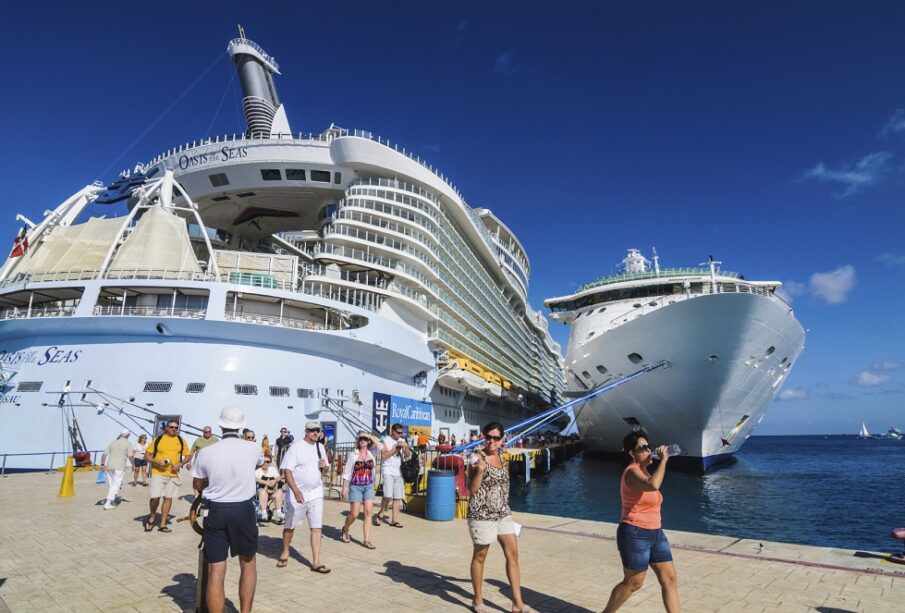
A cruise ship is more than just a vessel that transports passengers across oceans. It is a floating destination that combines travel, accommodation, entertainment, dining, and recreation in one seamless experience. Designed to provide comfort and adventure at sea, cruise ships have transformed modern tourism by offering travelers the opportunity to explore multiple destinations while enjoying resort-style living onboard.
From short coastal trips to long transcontinental voyages, cruise ships serve travelers seeking relaxation, cultural discovery, and memorable experiences.
What Is a Cruise Ship
A cruise ship is a large passenger vessel built specifically for leisure travel rather than transportation. Unlike cargo ships or ferries, cruise ships emphasize onboard activities, luxury accommodations, and entertainment alongside scheduled stops at scenic ports.
Modern cruise ships operate as floating cities equipped with:
- Restaurants and cafes
- Swimming pools and fitness centers
- Theaters and live shows
- Shopping areas
- Medical facilities
- Spa and wellness centers
These features allow passengers to enjoy a complete vacation without leaving the ship except during port visits.
History of Cruise Ships
Cruise ships evolved from early ocean liners that transported passengers across continents before air travel became widespread. During the early twentieth century, ships primarily served as transportation between Europe and North America.
As aviation replaced ocean travel for transportation, shipping companies shifted focus toward leisure travel. This transition marked the birth of the modern cruise industry.
Today’s cruise ships are significantly larger and more sophisticated, offering experiences that rival luxury resorts on land.
Types of Cruise Ships
Cruise ships are categorized based on size, purpose, and travel style.
Ocean Cruise Ships
These vessels travel across major seas and oceans and typically carry thousands of passengers. They feature extensive entertainment options and diverse dining choices.
River Cruise Ships
River cruise ships operate on inland waterways such as rivers and canals. They are smaller in size and provide closer views of historic cities and landscapes.
Expedition Cruise Ships
Expedition ships are designed for adventure travel to remote destinations such as polar regions and isolated islands. They focus on exploration rather than luxury entertainment.
Luxury Cruise Ships
Luxury cruise ships provide personalized service, spacious cabins, gourmet cuisine, and exclusive itineraries tailored for premium travelers.
Major Facilities Available on Cruise Ship
Cruise ships are equipped with advanced amenities that ensure comfort and entertainment throughout the journey.
Common onboard facilities include:
- Swimming pools and water parks
- Fitness centers and jogging tracks
- Shopping malls and boutiques
- Cinemas and theaters
- Kids play zones
- Casinos
- Libraries and lounges
These amenities create an environment where passengers rarely experience boredom during long voyages.
Accommodation Options on Cruise Ships
Cruise ships offer several accommodation categories suited to different budgets and preferences.
Interior Cabins
Interior cabins are the most economical option. They do not include windows but provide comfortable sleeping arrangements.
Ocean View Cabins
These cabins feature windows that allow passengers to enjoy scenic sea views.
Balcony Cabins
Balcony cabins include private outdoor space, offering direct access to ocean views and fresh air.
Suites
Suites are the most luxurious option. They offer spacious living areas, premium services, and exclusive privileges.
Dining Experience on Cruise Ships
Dining is one of the highlights of cruise travel. Cruise ships typically provide multiple restaurants serving cuisines from around the world.
Passengers can enjoy:
- Buffet-style meals
- Fine dining restaurants
- Regional cuisine selections
- Specialty dessert counters
- Coffee lounges
Many cruises include meals in the package price, making onboard dining convenient and cost effective.
Entertainment Activities on Cruise Ships
Cruise ships provide a wide range of entertainment options designed for all age groups.
Popular activities include:
- Live music concerts
- Cultural performances
- Movie screenings
- Dance shows
- Adventure sports facilities
- Theme nights and social gatherings
These activities ensure passengers remain engaged throughout the voyage.
Safety Measures on Cruise Ships
Safety is a top priority on cruise ships. Modern vessels follow strict international maritime safety standards.
Important safety features include:
- Lifeboats for all passengers
- Emergency evacuation procedures
- Advanced navigation systems
- Fire safety equipment
- Medical centers staffed with professionals
Passengers are usually required to attend safety drills before departure.
Popular Cruise Destinations Around the World
Cruise ships travel across some of the most beautiful destinations globally.
Popular cruise routes include:
- Caribbean islands
- Mediterranean coastline
- Norwegian fjords
- Alaska region
- Southeast Asia
- Australia and New Zealand
Each destination offers unique cultural experiences and scenic landscapes.
Advantages of Traveling by Cruise Ship
Cruise travel offers several benefits compared to traditional vacations.
Key advantages include:
- Visiting multiple destinations in one trip
- Comfortable accommodation throughout the journey
- Wide variety of entertainment options
- Convenient dining arrangements
- Family friendly environment
These advantages make cruises suitable for travelers of all age groups.
Environmental Impact and Sustainability Efforts
The cruise industry is increasingly focusing on environmental responsibility.
Modern ships are adopting:
- Cleaner fuel technologies
- Waste management systems
- Energy efficient engines
- Water recycling methods
These initiatives help reduce environmental impact and promote sustainable tourism practices.
How to Choose the Right Cruise Ship
Selecting the right cruise depends on travel preferences and expectations.
Consider the following factors before booking:
- Destination and route
- Travel duration
- Budget
- Onboard facilities
- Cabin type
- Season of travel
Planning carefully ensures a comfortable and enjoyable cruise experience.
Frequently Asked Questions
What is the best time to go on a cruise
The ideal time depends on the destination. Tropical cruises are popular during winter months, while European cruises are best enjoyed during summer.
Are cruise ships suitable for families with children
Yes. Most cruise ships provide dedicated play areas, entertainment programs, and childcare services for children.
Do cruise ships provide internet access
Many cruise ships offer onboard internet services, though speed and availability may vary depending on location.
Can passengers leave the ship during port stops
Yes. Passengers are encouraged to explore destinations during scheduled port visits.
Are cruise packages all inclusive
Most cruise packages include accommodation, meals, and entertainment. However, specialty dining and excursions may cost extra.
How long does a typical cruise trip last
Cruise trips can range from short weekend voyages to extended journeys lasting several weeks.
Do passengers need travel insurance for cruises
Travel insurance is recommended because it provides protection against unexpected cancellations, medical emergencies, and travel disruptions.


