Travel: Meaning, Importance, Benefits, and Smart Planning Tips
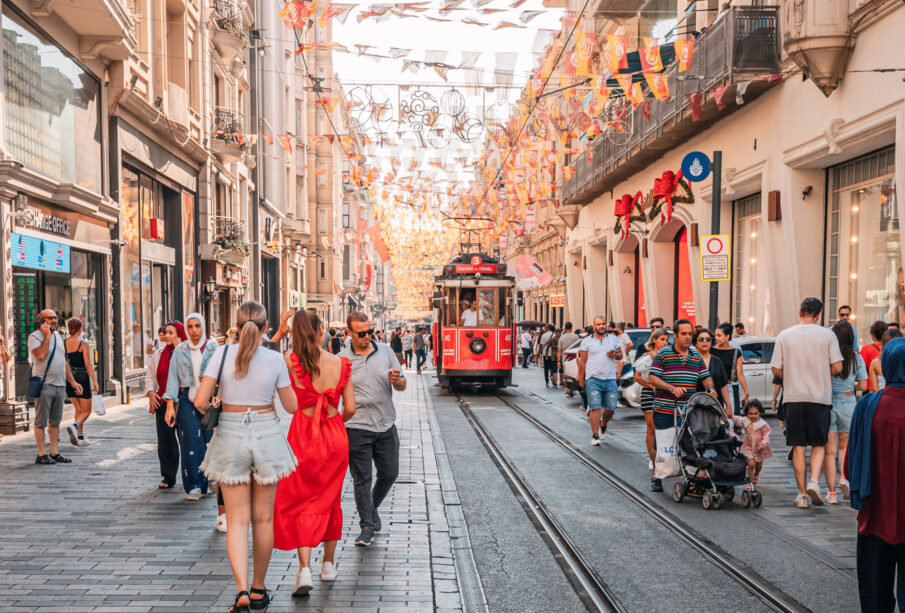
Travel is an important part of human experience that allows individuals to explore new places, understand different cultures, and refresh their minds. Whether for leisure, education, business, or personal growth, travel expands perspectives and creates meaningful memories.
In modern life, travel has become more accessible than ever. With improved transportation systems and digital planning tools, people can explore destinations locally and internationally with greater ease and confidence.
What Is Travel
Travel refers to the movement of people from one place to another for various purposes such as recreation, work, education, or family visits. It may involve short trips within a region or longer journeys across countries and continents.
Travel experiences vary depending on personal interests, budget, destination, and duration of stay.
Importance of Travel in Modern Life
Travel contributes significantly to personal development and well being. It helps people step away from routine responsibilities and experience new environments.
Major reasons why travel is important include
- Exposure to different cultures and traditions
- Improvement in mental freshness and relaxation
- Opportunities for learning and exploration
- Strengthening relationships through shared experiences
- Enhancement of creativity and confidence
Travel also encourages adaptability and open minded thinking.
Types of Travel
Travel can be categorized based on purpose, destination, and style.
Leisure Travel
Leisure travel focuses on relaxation and enjoyment. People often visit beaches, mountains, historical sites, or entertainment destinations during their free time.
This type of travel supports mental relaxation and physical refreshment.
Business Travel
Business travel involves trips made for professional purposes such as meetings, conferences, or training programs.
It helps strengthen professional relationships and supports career growth.
Educational Travel
Educational travel allows students and learners to gain knowledge through visits to historical locations, museums, universities, and cultural centers.
Such experiences improve understanding beyond classroom learning.
Solo Travel
Solo travel involves traveling independently. It encourages self confidence, decision making skills, and personal discovery.
Many travelers choose this style to experience freedom and flexibility.
Family Travel
Family travel provides opportunities for bonding and shared experiences. It creates lasting memories and strengthens emotional connections.
Families often choose destinations suitable for all age groups.
Benefits of Traveling Regularly
Travel offers both short term enjoyment and long term personal benefits. People who travel frequently often develop broader perspectives and stronger social awareness.
Key benefits include
- Reduction of stress and mental fatigue
- Better understanding of global cultures
- Improvement in communication skills
- Increased confidence in unfamiliar situations
- Opportunities to try new foods and activities
Travel also supports emotional balance and motivation.
How Travel Supports Personal Growth
Travel encourages individuals to step outside their comfort zones. Facing new situations improves flexibility and problem solving abilities.
Personal growth through travel includes
- Learning to manage unfamiliar environments
- Developing patience and independence
- Building cultural awareness
- Improving adaptability in changing situations
- Strengthening decision making skills
These qualities are valuable in both personal and professional life.
Essential Tips for Planning a Successful Trip
Planning carefully helps ensure a smooth and enjoyable travel experience. Organized preparation reduces stress and improves safety during the journey.
Important travel planning tips include
Choose the Destination Carefully
Select destinations based on interests, weather conditions, safety considerations, and travel duration.
Prepare a Realistic Budget
Estimate expenses related to transportation, accommodation, meals, and activities before traveling.
Pack According to the Destination
Carry clothing and essentials suitable for the climate and activities planned during the trip.
Keep Important Documents Ready
Ensure travel documents such as identification and reservations are safely stored and easily accessible.
Learn Basic Information About the Location
Understanding local customs, transportation options, and language basics improves travel confidence.
Role of Travel in Cultural Understanding
Travel allows people to observe traditions, lifestyles, and values that differ from their own. Direct interaction with local communities builds respect and awareness.
Cultural understanding through travel helps
- Promote tolerance and respect
- Encourage global awareness
- Support preservation of heritage
- Strengthen international connections
- Improve communication across cultures
These experiences contribute to more informed and responsible travelers.
Travel and Mental Well Being
Taking breaks through travel supports emotional health by reducing routine pressure and improving mood.
Positive mental effects of travel include
- Increased relaxation and calmness
- Improved sleep quality
- Greater motivation after returning home
- Reduced anxiety levels
- Renewed enthusiasm for daily activities
Even short trips can provide noticeable mental benefits.
Conclusion
Travel plays an important role in improving quality of life by offering opportunities for learning, relaxation, and personal development. Whether exploring nearby destinations or traveling internationally, each journey contributes to broader understanding and memorable experiences.
With proper planning and an open mindset, travel becomes a meaningful activity that enriches both knowledge and well being.
Frequently Asked Questions
What is the best time of year to travel
The best time depends on destination climate conditions, personal schedules, and travel purpose.
How can travelers stay safe during trips
Travelers should stay informed about local conditions, keep emergency contacts available, and secure important belongings.
Is travel helpful for students
Yes. Travel improves practical knowledge, cultural awareness, and communication skills.
How can people manage travel expenses effectively
Planning budgets early, comparing accommodation options, and booking transportation in advance help control costs.
What are the advantages of traveling within one’s country
Domestic travel allows exploration of regional culture, reduces expenses, and requires less planning compared to international trips.
Can travel improve social skills
Yes. Interaction with new people and cultures helps develop communication and adaptability skills.
Why is travel planning important before departure
Planning helps avoid unexpected difficulties, ensures better time management, and improves overall travel experience.