Why Longer Singapore Stays Need More Than a Hotel Gym
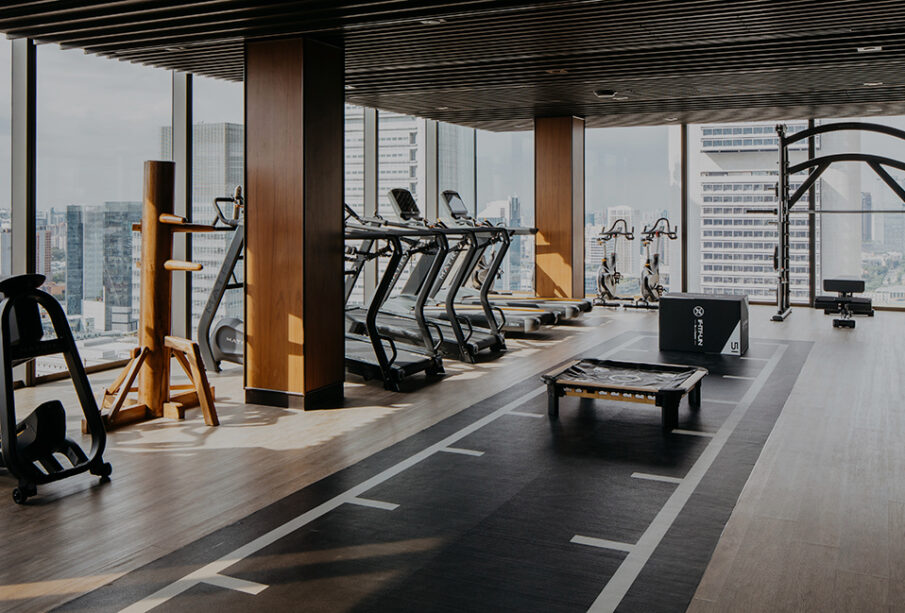
A hotel gym can be perfectly adequate for a short visit. A treadmill, adjustable bench and modest dumbbell rack may cover two or three improvised workouts between meetings or sightseeing. The limitation appears when a five-day trip becomes a six-week assignment and improvised exercise is expected to preserve a structured training programme.
For longer visits, access to a full gym singapore can provide the equipment range, class schedule and consistency that a small hotel fitness room often cannot. The decision is less about luxury and more about continuity. Travellers who train regularly need an environment where they can repeat key movements, manage fatigue and plan sessions around the rest of the stay.
A Short Visit and a Long Stay Create Different Needs
During a weekend trip, almost any movement can be useful. Walking, a quick circuit or a hotel bike session keeps the body active without needing to reproduce the normal programme.
Over several weeks, the trade-offs become larger. A strength trainee may lose access to suitable loading. A cyclist may be unable to complete structured intervals. Someone who relies on group classes may find it harder to stay engaged when every workout must be self-directed.
The issue is not that a few weeks away will erase all fitness. It is that repeated compromise can affect motivation, exercise selection and progress. A long stay is better treated as a temporary training block with clear objectives, not as an extended emergency.
Hotel Gym Photos Rarely Show the Full Picture
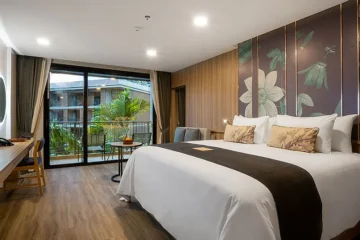
Travel booking pages tend to show the best angle of the fitness room. A wide photograph may not reveal the maximum dumbbell weight, the number of benches, whether the cable machine works or how crowded the room becomes before work.
Before relying on a hotel gym for a long stay, ask specific questions:
- What are the opening hours?
- What is the heaviest dumbbell available?
- Are there barbells, racks or plate-loaded machines?
- How many cardio machines are operational?
- Is the room staffed?
- Are towels, water and changing facilities available?
- Can non-guests or day-pass users access the space?
Recent guest reviews can help, but equipment inventories change. A direct email or call is more reliable when a particular piece of equipment matters.
Location Should Support Both Travel and Training
A good gym becomes inconvenient when reaching it requires several transport changes at the busiest time of day. Before choosing a facility, map it against the hotel, workplace and the areas that will be visited most often.
Singapore’s transport network makes many locations accessible, but journey time still matters. A gym close to the office may be ideal for weekday sessions, while one near the accommodation may work better on weekends. Opening hours should fit the real schedule, including early meetings and evening commitments.
Do not look only at distance. Consider the route after training. Is there a direct connection back to the hotel? Are food options available nearby? Will wet-weather access be difficult? Can a work bag be stored securely? These details determine whether the gym is used after the first enthusiastic week.
Preserve Training Patterns Rather Than Exact Numbers
Travel is rarely the best time to insist on matching every home-gym load. Different bars, machines and cable ratios can make identical numbers feel different. Sleep, food, walking volume and climate also affect performance.
Preserve the movement pattern and training purpose instead. A low-bar back squat can become a hack squat or leg press. A familiar chest-supported row can become a seated cable row. Outdoor running intervals can move to a treadmill or indoor bike when heat, rain or route safety make the original session impractical.
Use effort to guide the first week. Leave more repetitions in reserve, reduce total sets and learn how the equipment feels. Once the traveller has adapted to the new facility and schedule, volume can increase if recovery remains normal.
This approach protects consistency without turning every substitution into a downgrade.
Classes Can Give the Week Useful Structure
Long stays often involve changing meetings, social events and unfamiliar routines. A booked class creates a fixed appointment and removes the need to design every workout after a demanding day.
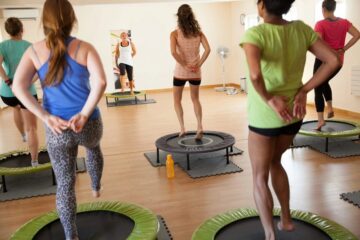
Class choice should complement the rest of the programme. A traveller already completing two hard strength sessions may use yoga or controlled cycling for variety. Someone without access to heavy weights may choose a resistance-based class. A person struggling with motivation may simply benefit from the energy of a group.
Check the intensity description, session length and booking rules. Familiar class names do not guarantee identical difficulty, and the first session should be approached conservatively. Arriving early provides time to explain injuries, adjust equipment and understand the instructor’s cues.
Account for Jet Lag and Extra Walking
Singapore stays often involve more daily walking than a person’s normal routine, particularly when public transport, attractions and business districts are combined. That background activity affects leg fatigue even if it does not feel like formal exercise.
Jet lag may also alter coordination, reaction time and perceived effort. On the first one or two days after a long flight, a moderate session is usually more useful than a test of strength or conditioning. Easy cardio, controlled machines and mobility work can help re-establish the habit while the sleep schedule settles.
Hydration deserves attention in a tropical climate. Travellers moving repeatedly between outdoor heat and air-conditioned buildings may underestimate fluid loss. Drink across the day, not only when arriving at the gym, and include normal meals with adequate sodium unless a medical condition requires another approach.
Choose Access Terms That Match the Stay
A long-stay traveller may not need a standard annual membership. Ask about short-term options, trial access, transferable packages, joining fees, cancellation terms and whether class bookings carry additional charges.
The cheapest option is not always the most economical. A facility that saves forty minutes of travel may produce more workouts than a lower-priced gym across the city.
Read the agreement rather than relying on a sales summary. Confirm the access period, payment method and any notice requirement in writing. Travellers should also check whether their employer, serviced residence or travel insurer provides a wellness benefit or partner rate.
Build a Long-Stay Training Template
A simple weekly template is easier to protect than a detailed plan with six fixed days. Start with two priority sessions that preserve the most important strength or endurance qualities. Add one flexible class or conditioning session and treat other activity as optional.
For example:
- Session one: full-body strength with an emphasis on squat and push patterns
- Session two: full-body strength with hinge, pull and carrying patterns
- Session three: class or structured cardio
- Optional session: mobility, easy cardio or a shorter accessory workout
Place the priority sessions on days least likely to be disrupted. If a late meeting cancels an optional workout, the core week still survives.
Make the Facility Part of the Stay
The best long-stay gym is one that feels easy to use. A known route, familiar locker routine and repeatable session times reduce decision-making. After the first week, training becomes part of the local rhythm rather than another travel task.
With several clubs and a mix of gym facilities, classes and personal training, True Fitness Singapore can give longer-stay visitors more options than a typical hotel room. Travellers should confirm the access arrangement that suits their dates and choose the location that fits the daily route.
A hotel gym remains useful for quick sessions and unexpected schedule changes. The mistake is expecting a limited room to perform every role during a long assignment. Combining hotel convenience with a full training facility can preserve both flexibility and progression.
Frequently Asked Questions
Is a hotel gym enough for a two-week trip?
It may be, especially if the goal is maintenance and the equipment supports the main movement patterns. Check the actual inventory before travelling and prepare substitutions for anything unavailable.
Should I reduce training volume after a long flight?
Usually, yes. Begin with a moderate session while sleep, hydration and coordination return to normal. Increase volume once the new time zone and daily routine feel settled.
Can tourists join gyms in Singapore?
Many facilities offer trials, day access or shorter arrangements, but terms vary. Contact the gym directly and confirm identification, payment and booking requirements before arrival.
How should I compare a hotel gym with a commercial gym?
Compare usable equipment, opening hours, crowding, classes, travel time, changing facilities and total cost. The closest option is not always the most practical, but convenience should carry significant weight.
What should I do if work repeatedly disrupts training?
Protect two priority sessions, keep optional workouts flexible and use shorter full-body sessions when time is limited. A smaller repeatable plan is more effective than continually failing to complete an ambitious one.